26 Sep 2026
Regulatory Developments Influencing Content Priorities for Developers of Account-Free Mobile Gaming Experiences
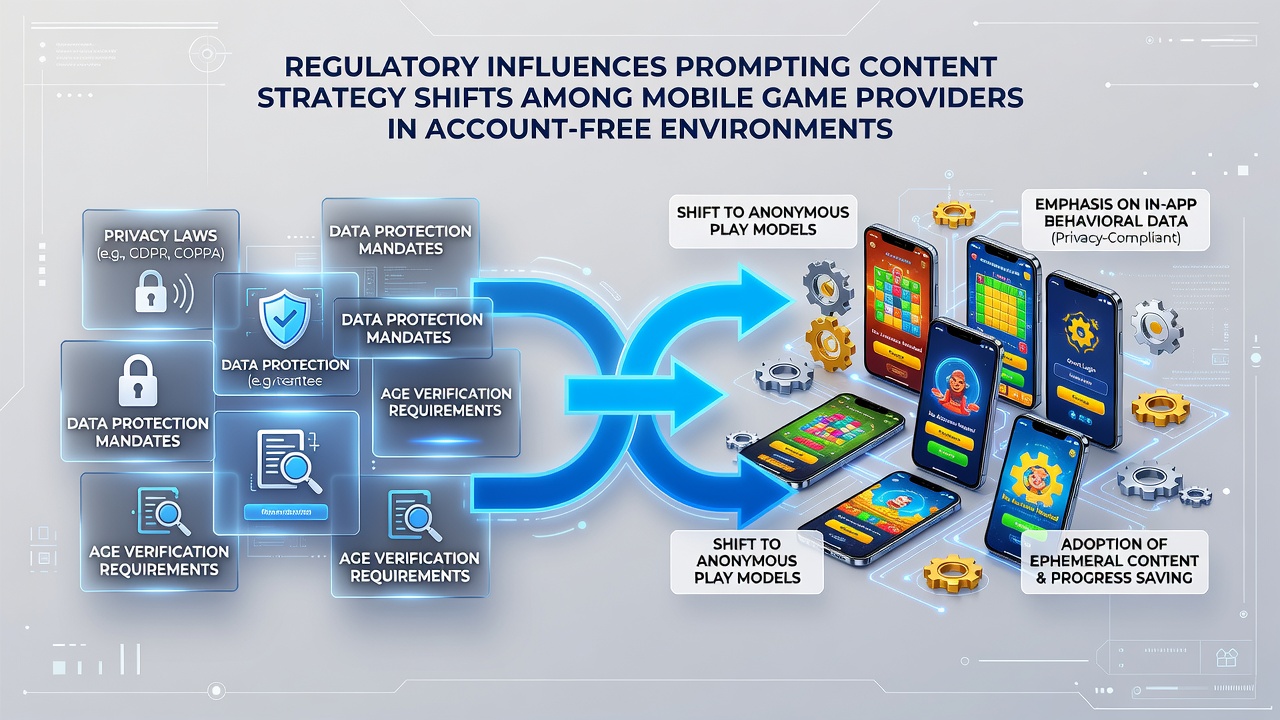
Regulatory frameworks across multiple jurisdictions continue to shape how mobile game providers approach content creation in environments that allow instant access without player registration, and data from industry monitoring bodies shows measurable adjustments in game mechanics and bonus structures as a direct response. Providers operating in these spaces must balance rapid entry points with compliance requirements that emphasize responsible play features, age verification proxies, and transaction monitoring protocols even when accounts remain absent.
Global Regulatory Pressures in Instant-Access Platforms
Authorities in regions such as the European Union, Australia, and select North American markets have introduced or strengthened guidelines that target frictionless funding mechanisms while maintaining consumer protections, and these measures often require developers to embed session limits, reality checks, and spending caps directly into gameplay loops rather than relying on post-registration tools. According to reports from the International Association of Gaming Regulators, operators handling no-account traffic reported a 22 percent increase in mandatory feature integrations between 2024 and 2026.
What's notable is that these rules frequently intersect with payment service directives, forcing providers to synchronize game volatility and reward frequency with real-time verification processes that do not involve stored player profiles. In September 2026, several markets updated their technical standards to include mandatory cooling-off prompts triggered after specific transaction volumes, and mobile developers responded by redesigning free-spin sequences and multiplier systems to accommodate these interruptions without disrupting flow.
Content Adjustments Driven by Compliance Needs
Developers have shifted resources toward simpler math models that allow clearer communication of risk and return, while incorporating visual indicators for session duration and net position that appear within the game interface itself. Research from academic institutions tracking digital gambling trends indicates that titles emphasizing short, contained bonus rounds have seen higher adoption rates among providers focused on account-free delivery, because such formats align more readily with requirements for transparent outcome display.
Observers note that resource allocation patterns reveal a move away from complex narrative-driven progressions toward modular content packs that can be toggled or limited based on jurisdiction-specific rules, and this flexibility reduces redevelopment time when new guidelines emerge. Data shows providers reallocating up to 35 percent of design budgets toward compliance-layer integrations rather than pure entertainment features in the past eighteen months.
Regional Variations and Provider Responses
European markets have emphasized data minimization principles that discourage persistent tracking, prompting developers to create self-contained game sessions where all necessary regulatory elements function without backend storage, whereas Australian frameworks have placed greater weight on spend-limit defaults that activate automatically upon first deposit. The Australian Communications and Media Authority published updated guidance in mid-2026 that directly influenced several providers to standardize default stake caps across their instant-play libraries.
North American operators, particularly those serving regulated mobile channels, have adopted hybrid approaches that blend local licensing conditions with global content pipelines, and this has resulted in differentiated versions of the same base game appearing in account-free environments depending on the player's access point. Experts tracking these changes point to increased collaboration between studios and compliance consultants as a growing industry pattern.
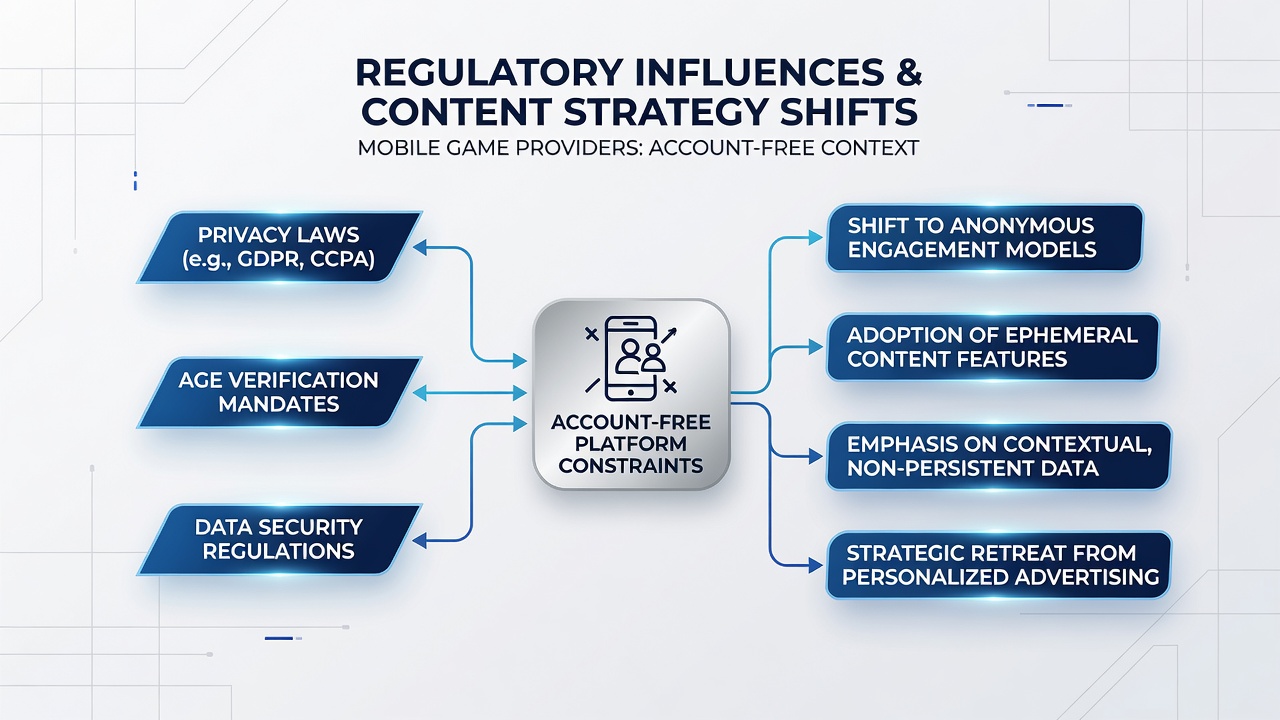
Technical and Design Implications for Future Releases
Engineers working on account-free platforms now routinely incorporate modular compliance APIs that allow rapid updates to session management tools, and this technical layer influences everything from reel configuration to sound design choices that signal time spent or amounts wagered. Studies compiled by research organizations focused on interactive media reveal that games built with these adaptable frameworks experience fewer launch delays when regulations tighten unexpectedly.
Providers have also begun testing dynamic difficulty scaling that responds to detected play patterns without storing individual histories, ensuring each session remains isolated yet still meets oversight standards. This approach requires careful calibration of payout percentages and feature triggers so that regulatory metrics remain satisfied even across fragmented play instances.
Conclusion
Regulatory influences continue to drive measurable evolution in how mobile game providers structure content for account-free environments, with evidence pointing to sustained investment in adaptable mechanics and embedded safeguards. As frameworks evolve through 2026 and beyond, the patterns established so far suggest ongoing refinement of game design processes that prioritize both compliance and seamless player entry.